How to make makeup last under hot studio lights
The prep, layering, and setting habits that keep a look in place under heat, cameras, and a running clock.
Studio lights are hot, cameras are unforgiving, and in our league the clock never stops. A look that slides by the final score doesn’t win. The good news is that lasting makeup is mostly technique, not luck, and the same habits that work on our set work for a wedding, a photoshoot, or a long night out.
Start with skin, not foundation
Long wear begins before any color goes on. Cleanse, then hydrate with something lightweight and let it sink in fully. Skin that is dehydrated tends to make more oil to compensate, and oil is what breaks makeup down.
Then prime with intent. A mattifying primer belongs where you get shiny (usually the forehead, nose, and chin), while a hydrating or gripping primer suits drier areas. You don’t need one product everywhere.
Build in thin layers
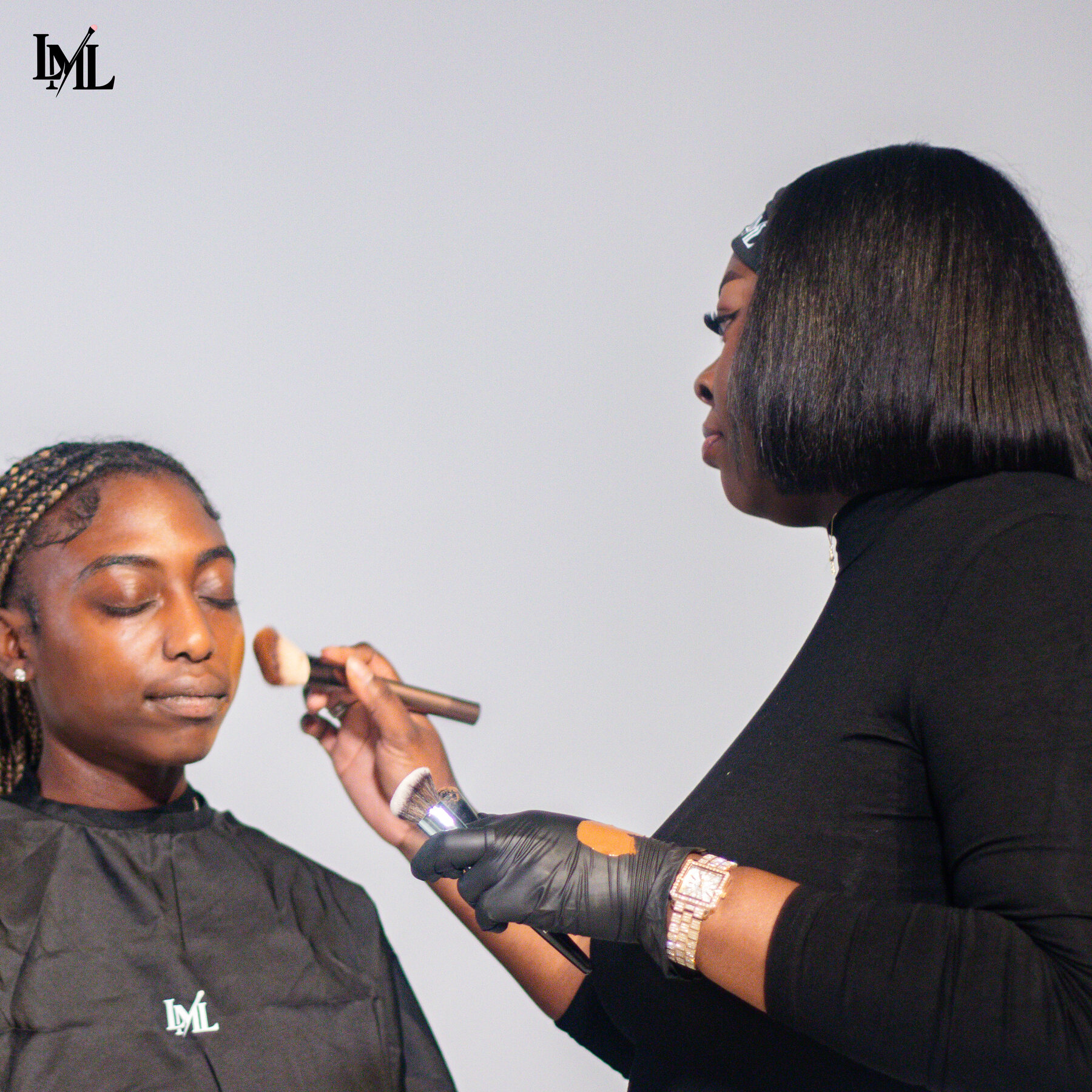
One heavy layer of foundation moves. Two thin ones hold. Apply a sheer layer, press it in with a damp sponge or brush, and add coverage only where you need it. Thin layers also look better on camera, which picks up texture that the mirror forgives.
Set where it counts
Powder is a tool, not a blanket. Press a fine translucent powder into the areas that crease or shine: under the eyes, around the nose, the center of the forehead. Leave the high points of the face a little fresher so the skin still looks like skin.
Press, don’t sweep. Sweeping powder moves the foundation underneath it.
A setting spray finishes the job. Some artists also mist lightly between layers (powder, spray, then a touch more powder) to lock everything together, a habit often called sandwiching.
Choose formulas that are built for it
Long-wear foundations, waterproof mascara, and cream products set with a matching powder all hold up better under heat. For eyes, a dedicated eyeshadow primer keeps color from creasing as the hours go by.
Watch out for flashback
If photos are involved, be careful with some silica-heavy setting powders and certain mineral sunscreens. Under direct camera flash they can bounce light back and leave a white cast. Test a flash photo before the moment matters.
Fix it the right way
When shine shows up, blot first with blotting paper, then add a small amount of powder only if you need it. Adding powder over oil without blotting builds up into a cakey layer fast.
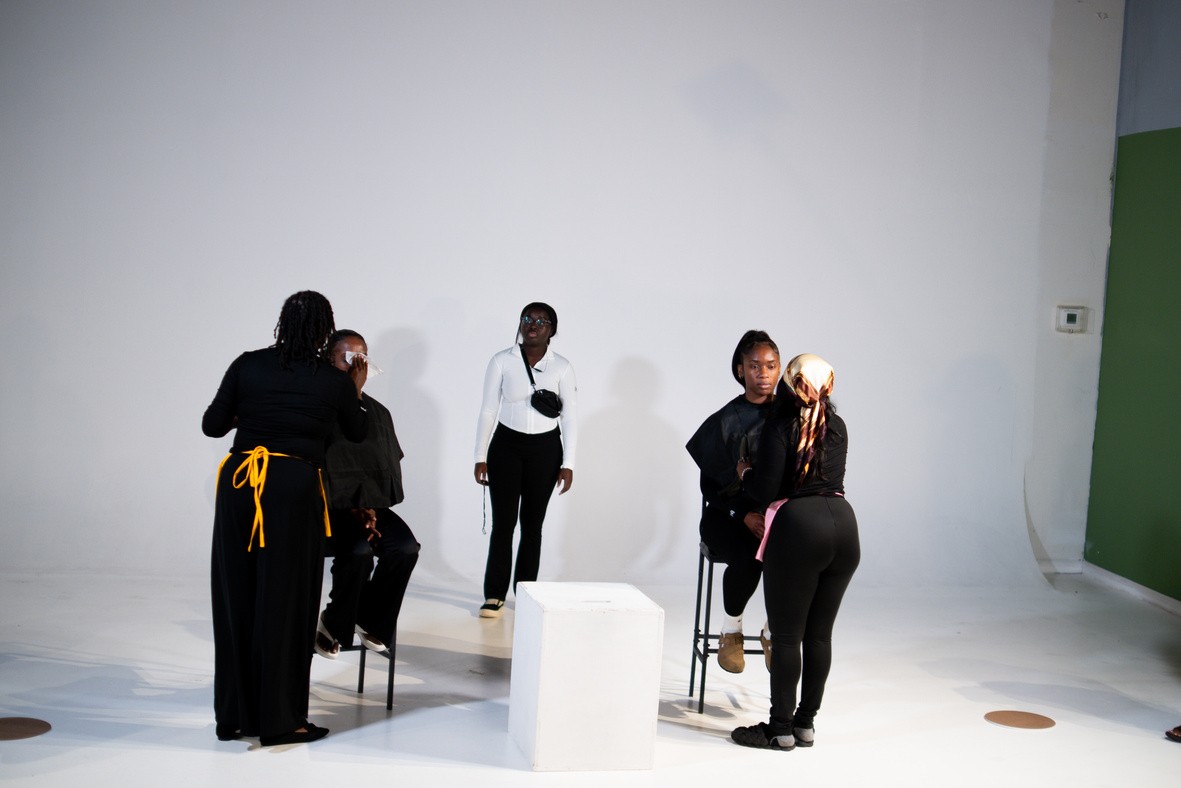
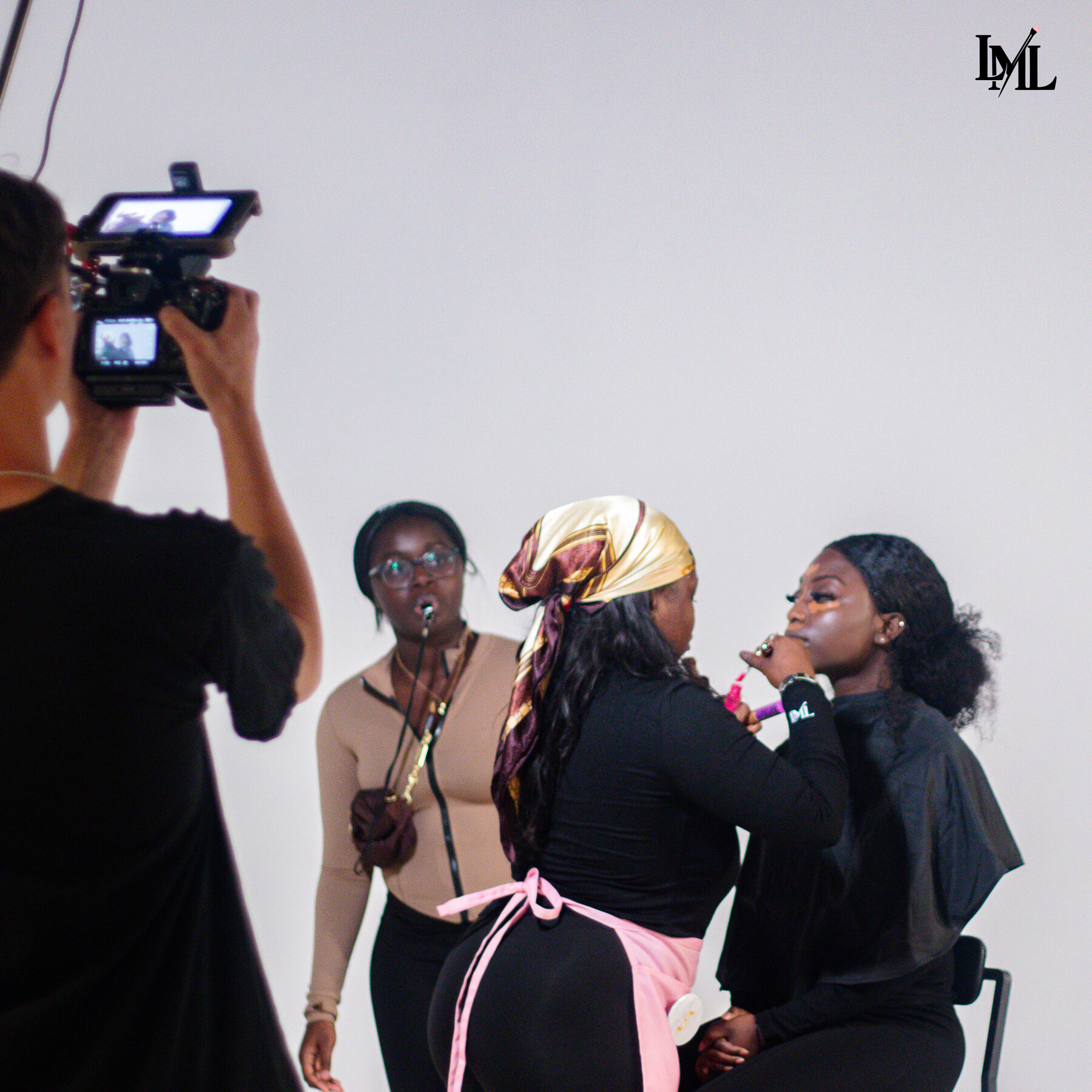
Every one of these habits shows up at our stations, under real heat and a real clock. Watch how the artists prep their models and you will see the difference between a look that holds and one that doesn’t.
You are altogether beautiful.